

Nail Clinic - Established Patients Only - Mondays 9am-12pm

Ainsley Roberson Rusevlyan, DPM

(252) 946-1181Washington, NC

google review

Blog

How Do Bunions Form?

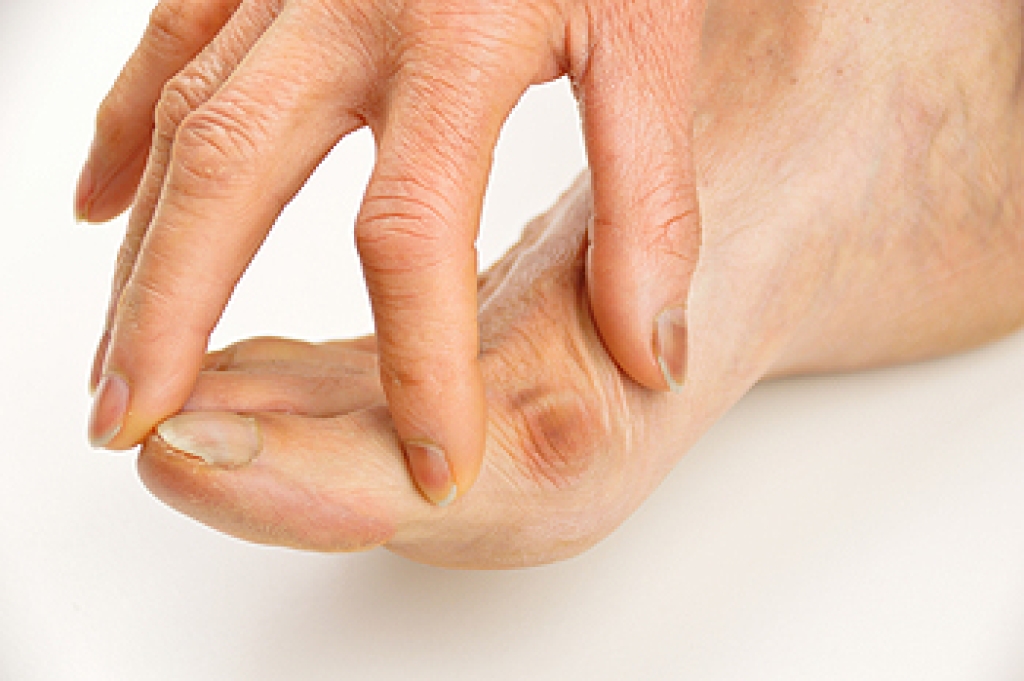
Bunions can develop when the joint at the big toe is pulled out of alignment and the toe gets turned towards the rest of the toes. This is a very common issue, and it can result in a painful and bony lump to form at the joint. As bunions develop, they can get more and more painful. They will eventually push the other toes out of alignment which will lead to skin irritation and difficulty wearing shoes or walking. Common causes of bunions can include heredity, shoes that fit too tightly, arthritis, injuries, and nerve damage. Patients who are struggling with a painful bunion should consult with a podiatrist for proper treatment and pain relief methods. Common methods for treating bunions include wearing shoes with wide toe boxes, orthotics, and in some cases, surgery.

If you are suffering from bunion pain, contact Ainsley Rusevlyan, DPM of InStride Roberson Footcare. Our doctor can provide the care you need to keep you pain-free and on your feet.

What Is a Bunion?

Bunions are painful bony bumps that usually develop on the inside of the foot at the joint of the big toe. As the deformity increases over time, it may become painful to walk and wear shoes. Women are more likely to exacerbate existing bunions since they often wear tight, narrow shoes that shift their toes together. Bunion pain can be relieved by wearing wider shoes with enough room for the toes.

Causes

  • Genetics – some people inherit feet that are more prone to bunion development
  • Inflammatory Conditions - rheumatoid arthritis and polio may cause bunion development

Symptoms

  • Redness and inflammation
  • Pain and tenderness
  • Callus or corns on the bump
  • Restricted motion in the big toe

In order to diagnose your bunion, your podiatrist may ask about your medical history, symptoms, and general health. Your doctor might also order an x-ray to take a closer look at your feet. Nonsurgical treatment options include orthotics, padding, icing, changes in footwear, and medication. If nonsurgical treatments don’t alleviate your bunion pain, surgery may be necessary.

If you have any questions, please feel free to contact our office located in Washington, NC . We offer the newest diagnostic and treatment technologies for all your foot care needs.
Read more about What Are Bunions?

Possible Reasons Your Heel Hurts

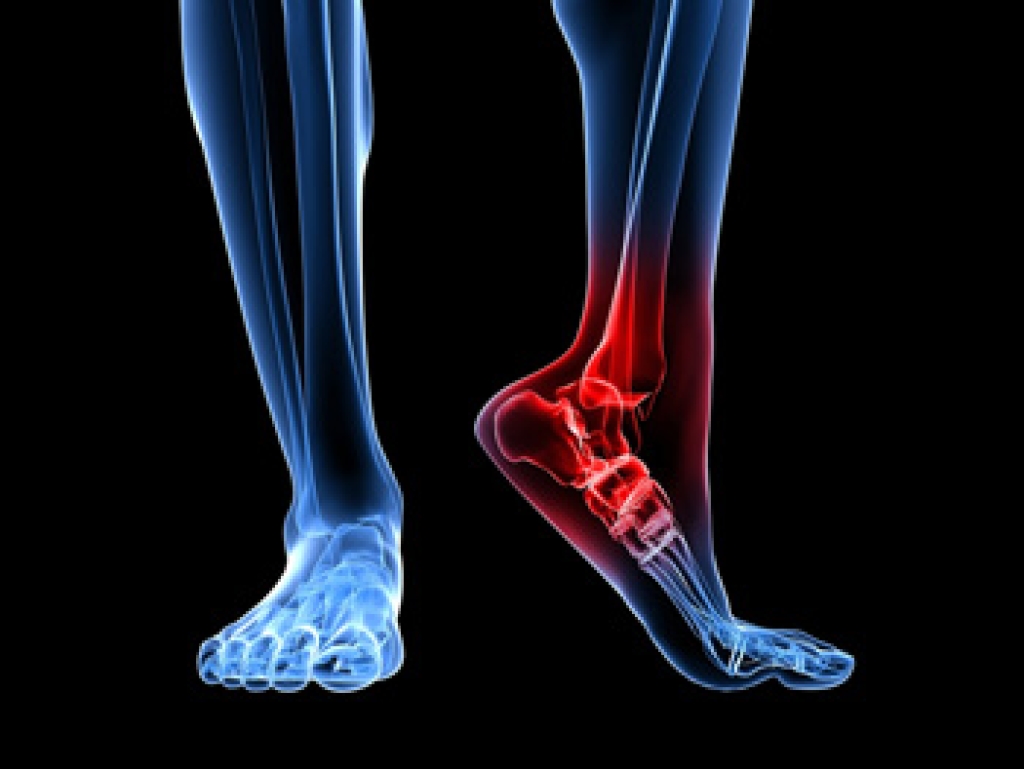
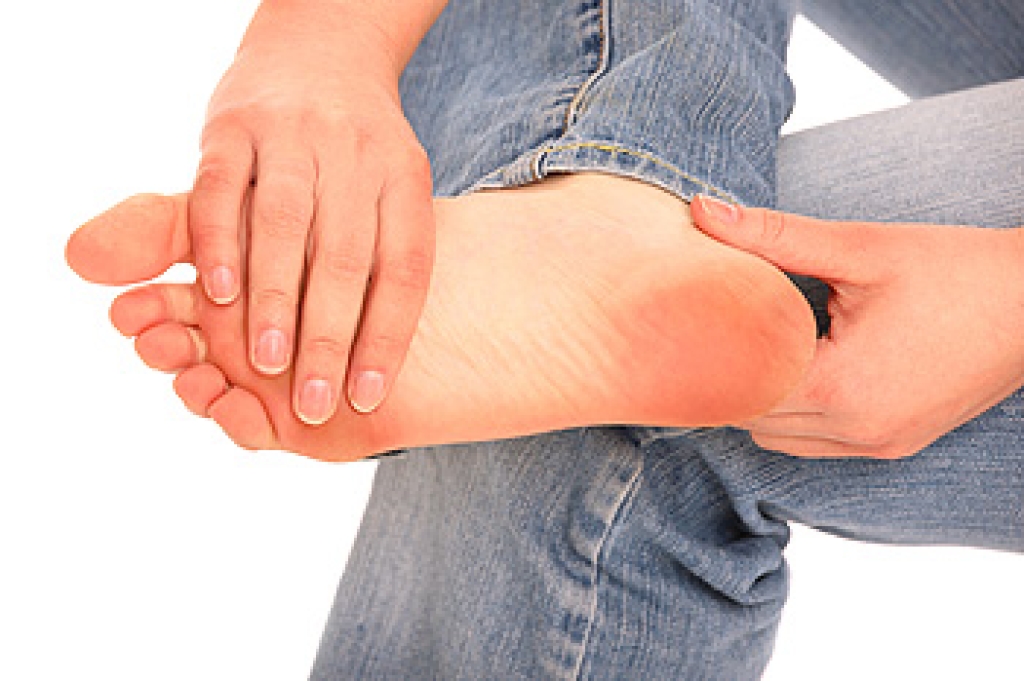
Heel pain is very common and can be caused by a variety of foot and ankle problems. A stabbing pain in the heel that is at its worst in the morning or after a long period of rest may indicate plantar fasciitis. Plantar fasciitis is the inflammation of the ligament that runs along the bottom of the foot. Pain in the back of the heel and back of the ankle may be due to Achilles tendonitis. In children between the ages of 8 and 14, one common cause of heel pain is Sever’s disease, an inflammation of the growth plate of the heel bone. If you are experiencing heel pain, please seek the care of a podiatrist who can diagnose and treat your condition. 

Many people suffer from bouts of heel pain. For more information, contact Ainsley Rusevlyan, DPM of InStride Roberson Footcare. Our doctor can provide the care you need to keep you pain-free and on your feet.

Causes of Heel Pain

Heel pain is often associated with plantar fasciitis. The plantar fascia is a band of tissues that extends along the bottom of the foot. A rip or tear in this ligament can cause inflammation of the tissue.

Achilles tendonitis is another cause of heel pain. Inflammation of the Achilles tendon will cause pain from fractures and muscle tearing. Lack of flexibility is also another symptom.

Heel spurs are another cause of pain. When the tissues of the plantar fascia undergo a great deal of stress, it can lead to ligament separation from the heel bone, causing heel spurs.

Why Might Heel Pain Occur?

  • Wearing ill-fitting shoes                
  • Wearing non-supportive shoes
  • Weight change           
  • Excessive running

Treatments

Heel pain should be treated as soon as possible for immediate results. Keeping your feet in a stress-free environment will help. If you suffer from Achilles tendonitis or plantar fasciitis, applying ice will reduce the swelling. Stretching before an exercise like running will help the muscles. Using all these tips will help make heel pain a condition of the past.

If you have any questions, please feel free to contact our office located in Washington, NC . We offer the newest diagnostic and treatment technologies for all your foot care needs.
Read more about Heel Pain

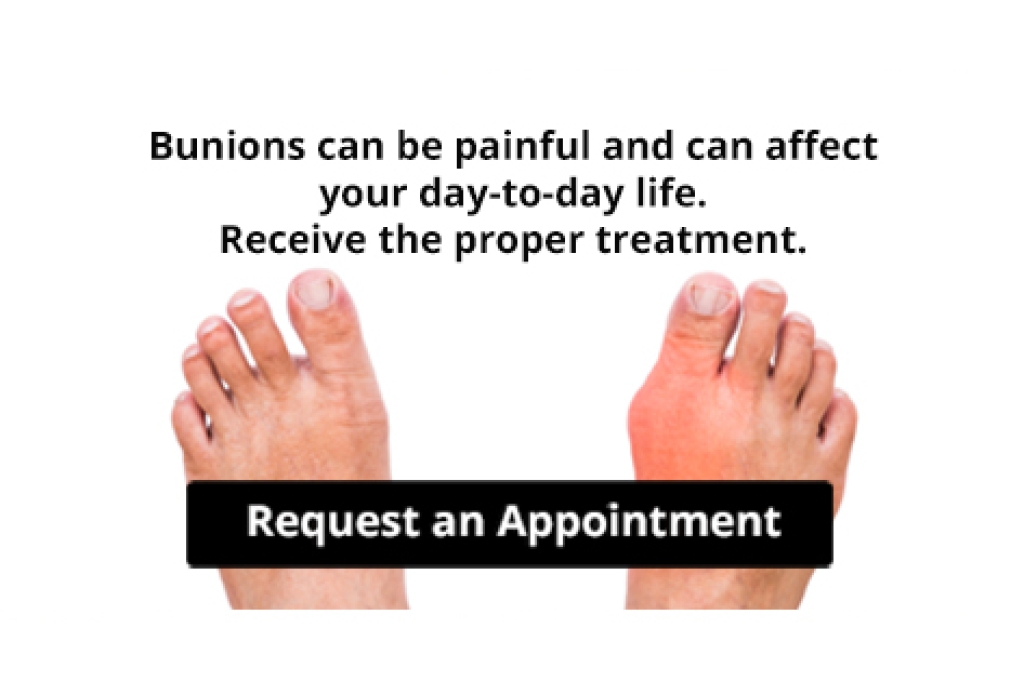
Are Bunions Affecting Your Everyday Life?

Have you noticed a bony protrusion on the side of your big toe? If so, you may have developed the foot condition known as a bunion. Don't let bunions interfere with your daily activities.

Why Do I Get Foot Cramps?

Foot cramps are spasms that occur in the muscles of the feet, most typically on the top of the foot, in the arch, and surrounding the toes. These spasms can be quite painful and may even lock your muscles and prevent movement until they subside. Foot cramps that occur occasionally are likely no cause for alarm, but if they are chronic and interfere with your ability to perform daily functions, you should go see a podiatrist to have them diagnosed. Possible causes of foot cramps can include dehydration, which starves muscles and causes them to malfunction, tight shoes that cut off circulation and restrict movement, peripheral neuropathy (nerve damage), certain medications, and excessive exercising which strains the foot muscles. Additionally, insufficient amounts of potassium in your body—which controls nerve and muscle cell functionality—may contribute to foot cramping. If foot cramps are becoming frequent or more severe, contact a podiatrist.

Foot Pain

Foot pain can be extremely painful and debilitating. If you have a foot pain, consult with Ainsley Rusevlyan, DPM from InStride Roberson Footcare. Our doctor will assess your condition and provide you with quality foot and ankle treatment.

Causes

Foot pain is a very broad condition that could be caused by one or more ailments. The most common include:

  • Bunions
  • Hammertoes
  • Plantar Fasciitis
  • Bone Spurs
  • Corns
  • Tarsal Tunnel Syndrome
  • Ingrown Toenails
  • Arthritis (such as Gout, Rheumatoid, and Osteoarthritis)
  • Flat Feet
  • Injury (from stress fractures, broken toe, foot, ankle, Achilles tendon ruptures, and sprains)
  • And more

Diagnosis

To figure out the cause of foot pain, podiatrists utilize several different methods. This can range from simple visual inspections and sensation tests to X-rays and MRI scans. Prior medical history, family medical history, and any recent physical traumatic events will all be taken into consideration for a proper diagnosis.

Treatment

Treatment depends upon the cause of the foot pain. Whether it is resting, staying off the foot, or having surgery; podiatrists have a number of treatment options available for foot pain.

If you have any questions, please feel free to contact our office located in Washington, NC . We offer the newest diagnostic and treatment technologies for all your foot care needs.
Read more about Foot Pain

PAD Symptoms and Risk Factors

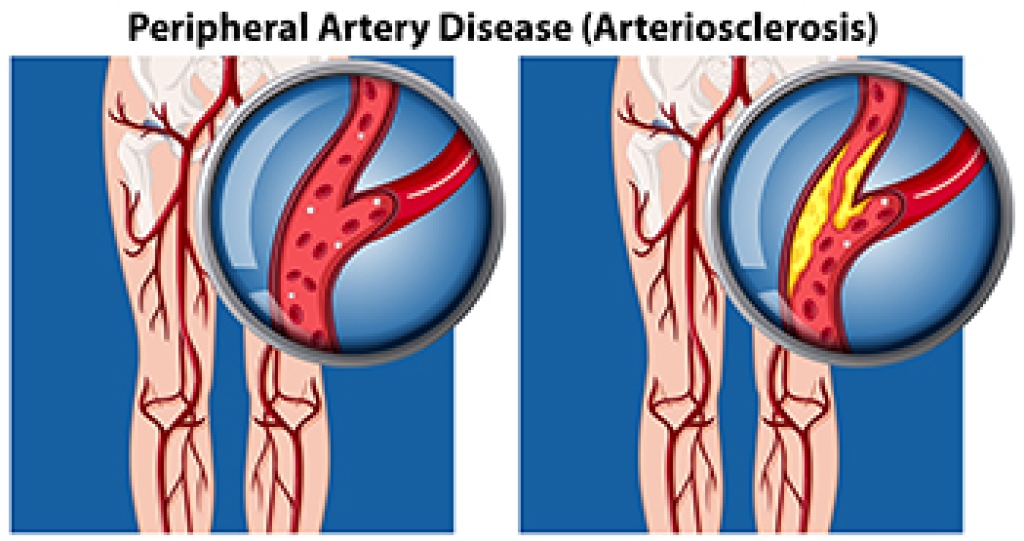
Peripheral artery disease (PAD) is a condition characterized by poor circulation in the lower limbs. It occurs when the arteries that transport blood in the lower limbs become narrow and hardened due to a buildup of plaque. In its earlier stages, PAD is often asymptomatic. As it progresses, symptoms can begin to appear and may include leg cramping, numbness, weakness, coldness, discoloration, hair loss, changes in the texture and color of toenails, and the formation of poorly healing wounds on the feet and ankles. Since symptoms might not arise until the disease has progressed significantly, screening for PAD is very important. People who are at risk for PAD, such as adults over the age of 50, those who live a sedentary lifestyle, and those who have a history of diabetes, high blood pressure, high cholesterol, or cardiovascular problems, should speak with a podiatrist about getting tested for PAD. 

Peripheral artery disease can pose a serious risk to your health. It can increase the risk of stroke and heart attack. If you have symptoms of peripheral artery disease, consult with Ainsley Rusevlyan, DPM from InStride Roberson Footcare. Our doctor will assess your condition and provide you with quality foot and ankle treatment.

Peripheral artery disease (PAD) is when arteries are constricted due to plaque (fatty deposits) build-up. This results in less blood flow to the legs and other extremities. The main cause of PAD is atherosclerosis, in which plaque builds up in the arteries.

Symptoms

Symptoms of PAD include:

  • Claudication (leg pain from walking)
  • Numbness in legs
  • Decrease in growth of leg hair and toenails
  • Paleness of the skin
  • Erectile dysfunction
  • Sores and wounds on legs and feet that won’t heal
  • Coldness in one leg

It is important to note that a majority of individuals never show any symptoms of PAD.

Diagnosis

While PAD occurs in the legs and arteries, Podiatrists can diagnose PAD. Podiatrists utilize a test called an ankle-brachial index (ABI). An ABI test compares blood pressure in your arm to you ankle to see if any abnormality occurs. Ultrasound and imaging devices may also be used.

Treatment

Fortunately, lifestyle changes such as maintaining a healthy diet, exercising, managing cholesterol and blood sugar levels, and quitting smoking, can all treat PAD. Medications that prevent clots from occurring can be prescribed. Finally, in some cases, surgery may be recommended.

If you have any questions, please feel free to contact our office located in Washington, NC . We offer the newest diagnostic and treatment technologies for all your foot care needs.

Read more about Peripheral Artery Disease
Connect With Us