

Nail Clinic - Established Patients Only - Mondays 9am-12pm

Ainsley Roberson Rusevlyan, DPM

(252) 946-1181Washington, NC

google review

Blog

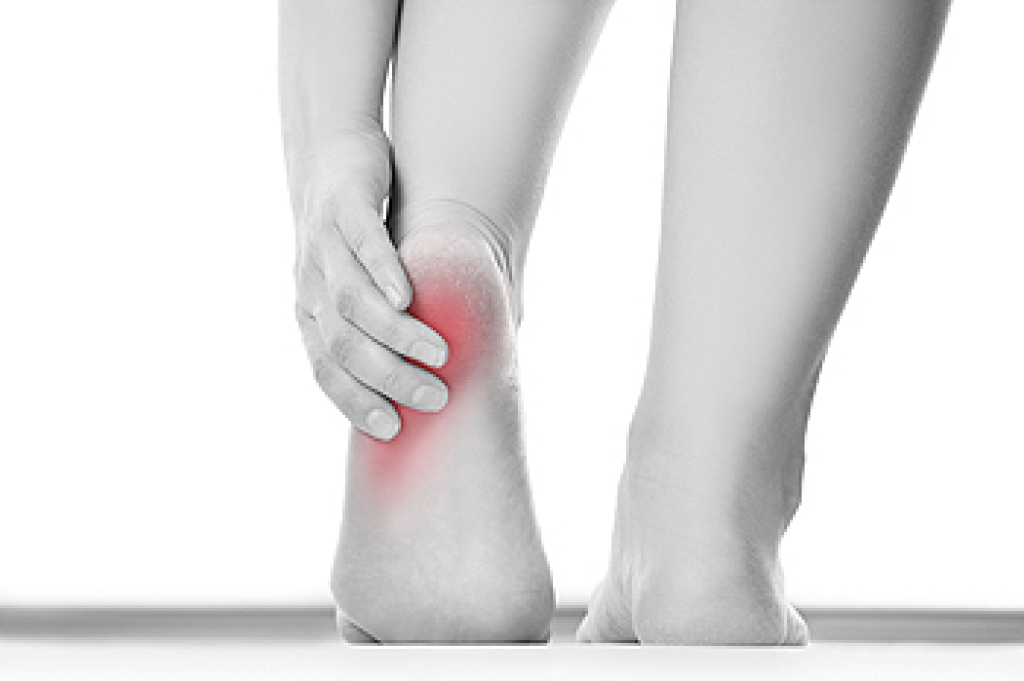
Children Limping May Indicate Sever’s Disease

Active children may be more likely to experience heel pain. This pain can be indicative of a condition known as Sever’s disease, and can target children and young adolescents. This uncomfortable ailment affects the growth plate in the heel and can occur as a result of extensive pressure exerted on the area where the Achilles tendon meets the heel. Parents may notice their child may begin to limp, in addition to experiencing a decrease in flexibility if their child is afflicted with Sever’s disease. Prompt treatment generally begins with stopping the activity that caused this condition, and it is beneficial to rest the affected foot. Some children find it may help to perform specific stretches that target the Achilles tendon and calf. If you notice your child has symptoms of Sever’s disease, it is strongly suggested that you schedule a consultation with a podiatrist as quickly as possible who can determine what the most effective treatment is.

Sever's disease often occurs in children and teens. If your child is experiencing foot or ankle pain, see Ainsley Rusevlyan, DPM from InStride Roberson Footcare. Our doctor can treat your child’s foot and ankle needs.

Sever’s Disease

Sever’s disease is also known as calcaneal apophysitis, which is a medical condition that causes heel pain I none or both feet. The disease is known to affect children between the ages of 8 and 14.

Sever’s disease occurs when part of the child’s heel known as the growth plate (calcaneal epiphysis) is attached to the Achilles tendon. This area can suffer injury when the muscles and tendons of the growing foot do not keep pace with bone growth. Therefore, the constant pain which one experiences at the back of the heel will make the child unable to put any weight on the heel. The child is then forced to walk on their toes.

Symptoms

Acute pain – Pain associated with Sever’s disease is usually felt in the heel when the child engages in physical activity such as walking, jumping and or running.

Highly active – Children who are very active are among the most susceptible in experiencing Sever’s disease, because of the stress and tension placed on their feet.

If you have any questions, please feel free to contact our office located in Washington, NC . We offer the newest diagnostic and treatment technologies for all your foot care needs.
Read more about Sever's Disease

Contagious Hand, Foot and Mouth Disease

Excessive blisters on the feet can indicate a condition that is known as hand, foot and mouth disease. It is considered to be a viral infection, and generally affects children ten years and younger. Hand, foot, and mouth disease is a contagious medical condition, and can be passed to other people by coughing, sneezing, or from the fluid that is inside the blisters. Some of the symptoms that are associated with hand, foot and mouth disease can consist of small blisters on the bottom of the feet, and the child can be feverish and tired. Many children can develop a rash, which is generally not itchy. It is beneficial to drink plenty of water daily as this may help to accelerate the healing process. If you notice your child has signs of this condition, it is suggested that you schedule an appointment with a podiatrist who can properly diagnose and offer correct treatment techniques.

The health of a child’s feet is vital to their overall well-being. If you have any questions regarding foot health, contact Ainsley Rusevlyan, DPM of InStride Roberson Footcare. Our doctor can provide the care you need to keep you pain-free and on your feet.

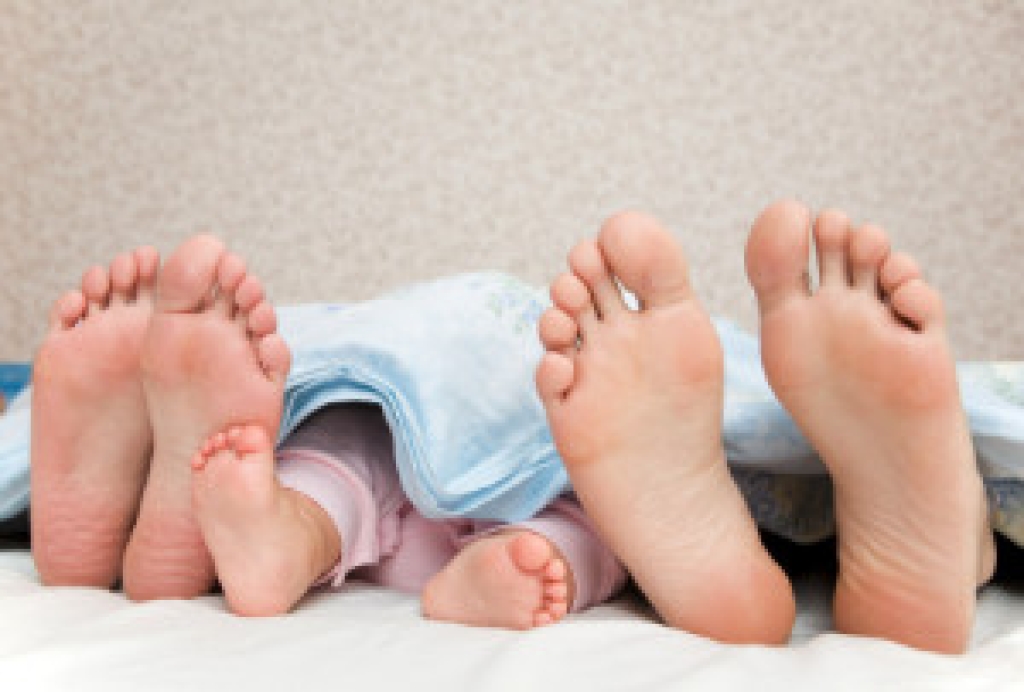
Tips for Keeping Children's Feet Healthy

  • Make sure their shoes fit properly
  • Look for any signs of in-toeing or out-toeing
  • Check to see if they have Clubfoot (condition that affects your child’s foot and ankle, twisting the heel and toes inward) which is one of the most common nonmajor birth defects.
  • Lightly cover your baby’s feet (Tight covers may keep your baby from moving their feet freely, and could prevent normal development)
  • Allow your toddler to go shoeless (Shoes can be restricting for a young child’s foot)
  • Cut toenails straight across to avoid ingrown toenails
  • Keep your child’s foot clean and dry
  • Cover cuts and scrapes. Wash any scratches with soap and water and cover them with a bandage until they’ve healed.

If you have any questions, please feel free to contact our office located in Washington, NC . We offer the newest diagnostic and treatment technologies for all your foot care needs.
Read more about How to Care for Your Child's Feet

Diabetic Foot Problems

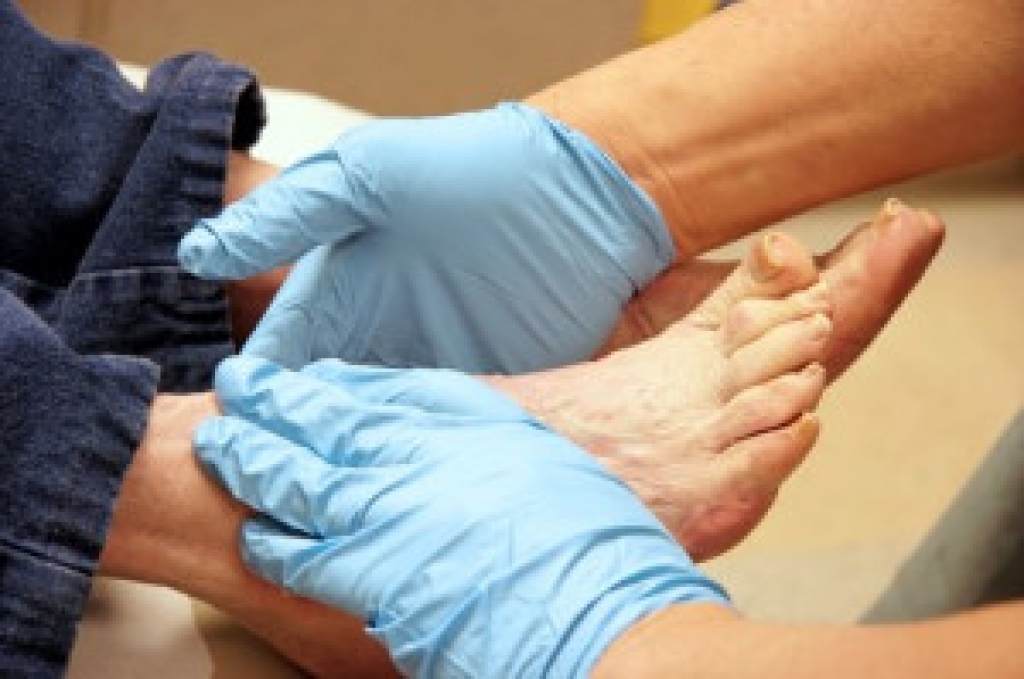
Diabetes is a systemic condition, meaning that it can affect the entire body. One of the often overlooked parts of the body that diabetes can affect are the feet. People with diabetes are more likely to suffer from various foot conditions. Diabetes can cause nerve damage in the lower limbs and poor circulation. This combination of problems can lead to the development of poorly-healing foot wounds that are at risk of becoming infected. Other problems more common in diabetic feet include athlete’s foot and fungal nail infections, plantar warts, corns, calluses, cracked heels, blisters, ingrown toenails, hammertoes, and bunions. Inspecting your feet daily for any changes or abnormalities can help detect potential problems early, and seeking prompt treatment can improve your prognosis. If you have diabetes consult with a podiatrist, who can help you manage and maintain the health of your feet.

Diabetic foot care is important in preventing foot ailments such as ulcers. If you are suffering from diabetes or have any other concerns about your feet, contact Ainsley Rusevlyan, DPM from InStride Roberson Footcare. Our doctor can provide the care you need to keep you pain-free and on your feet.

Diabetic Foot Care

Diabetes affects millions of people every year. The condition can damage blood vessels in many parts of the body, especially the feet. Because of this, taking care of your feet is essential if you have diabetes, and having a podiatrist help monitor your foot health is highly recommended.

The Importance of Caring for Your Feet

  • Routinely inspect your feet for bruises or sores.
  • Wear socks that fit your feet comfortably.
  • Wear comfortable shoes that provide adequate support.

Patients with diabetes should have their doctor monitor their blood levels, as blood sugar levels play such a huge role in diabetic care. Monitoring these levels on a regular basis is highly advised.

It is always best to inform your healthcare professional of any concerns you may have regarding your feet, especially for diabetic patients. Early treatment and routine foot examinations are keys to maintaining proper health, especially because severe complications can arise if proper treatment is not applied.

If you have any questions, please feel free to contact our office located in Washington, NC . We offer the newest diagnostic and treatment technologies for all your foot care needs.
Read more about Diabetic Foot Care

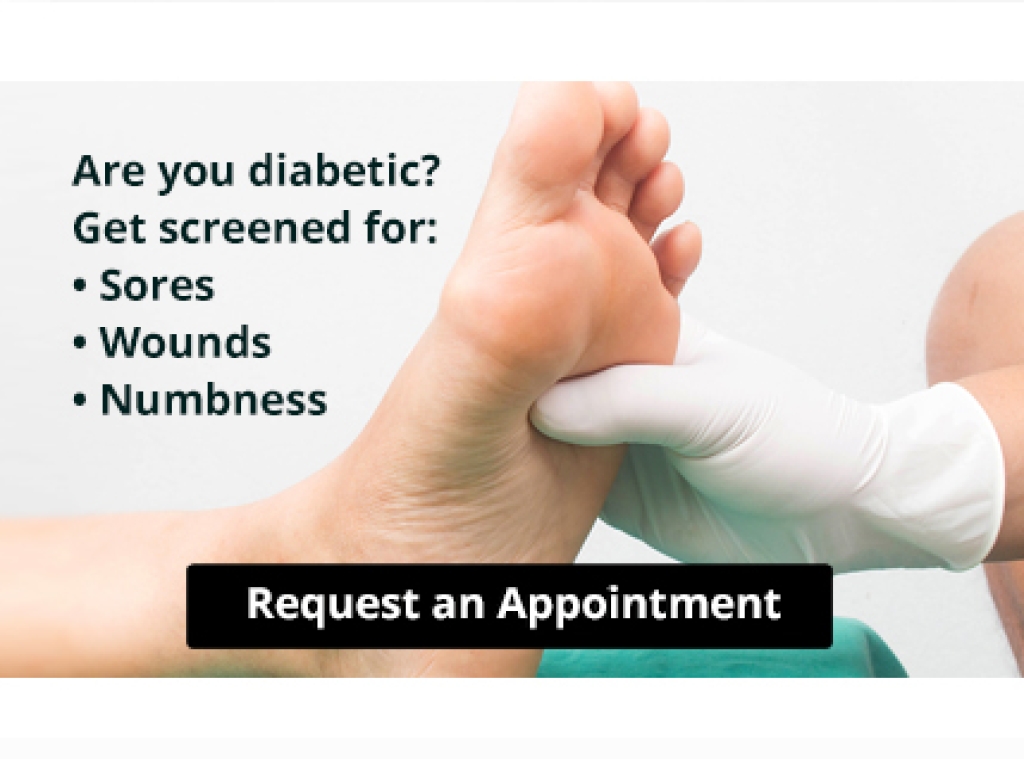
Wounds That Don't Heal Need to Be Checked

Your feet are covered most of the day. If you're diabetic, periodic screening is important for good health. Numbness is often a sign of diabetic foot and can mask a sore or wound.

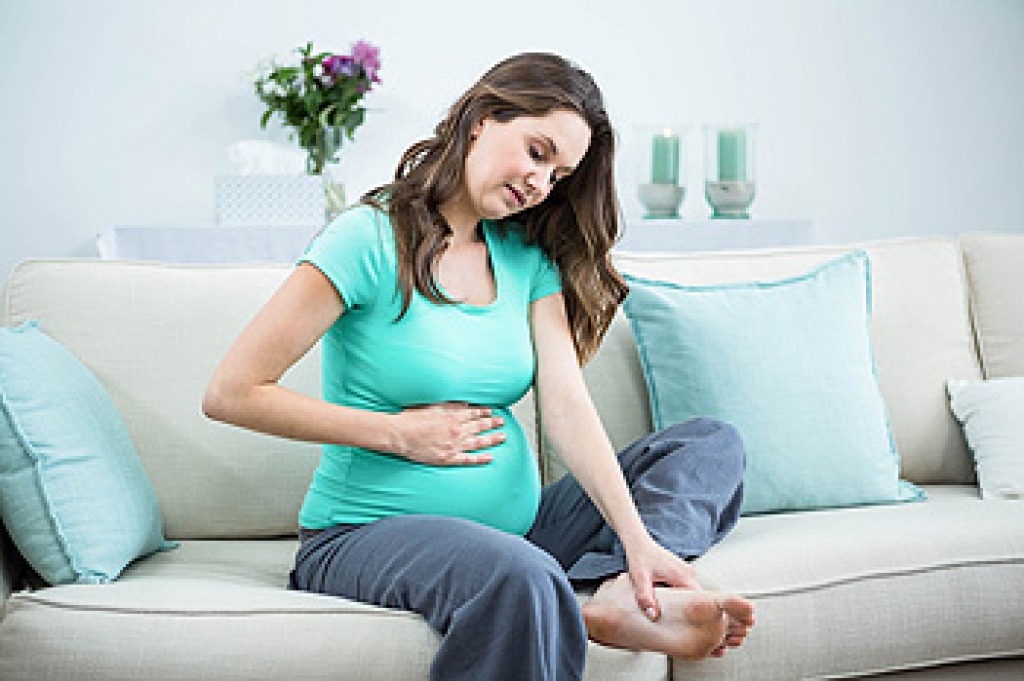
Edema Is a Common Foot Condition During Pregnancy

Swelling, or edema is a common side effect of pregnancy. It can affect the feet and is typically very uncomfortable. This condition occurs as a result of the growing fetus that can put lots of pressure on the pelvis while pregnancy hormones can contribute to swollen feet. Larger shoes may need to be purchased to accommodate feet that swell and get bigger, in addition to sitting with the feet elevated as often as possible. Mild relief may also be found when water intake is increased and it can help to eat foods that are natural diuretics. Some women wear compression stockings as this can be beneficial in providing additional support to the feet as well.  If you would like to learn other reasons why edema may develop during pregnancy and how it affects the feet, please consult with a podiatrist who can answer any questions you may have.

Pregnant women with swollen feet can be treated with a variety of different methods that are readily available. For more information about other cures for swollen feet during pregnancy, consult with Ainsley Rusevlyan, DPM from InStride Roberson Footcare. Our doctor will attend to all of your foot and ankle needs.

What Foot Problems Can Arise During Pregnancy?

One problem that can occur is overpronation, which occurs when the arch of the foot flattens and tends to roll inward.  This can cause pain and discomfort in your heels while you’re walking or even just standing up, trying to support your baby.  

Another problem is edema, or swelling in the extremities. This often affects the feet during pregnancy but tends to occur in the later stages. 

How Can I Keep My Feet Healthy During Pregnancy?

  • Wearing orthotics can provide extra support for the feet and help distribute weight evenly
  • Minimize the amount of time spent walking barefoot
  • Wear shoes with good arch support
  • Wear shoes that allow for good circulation to the feet
  • Elevate feet if you experience swelling
  • Massage your feet
  • Get regular, light exercise, such as walking, to promote blood circulation to the feet

If you have any questions, please feel free to contact our office located in Washington, NC . We offer the newest diagnostic and treatment technologies for all your foot care needs.

Read more about Pregnancy and Foot Health
Connect With Us