

Nail Clinic - Established Patients Only - Mondays 9am-12pm

Ainsley Roberson Rusevlyan, DPM

(252) 946-1181Washington, NC

google review

Blog

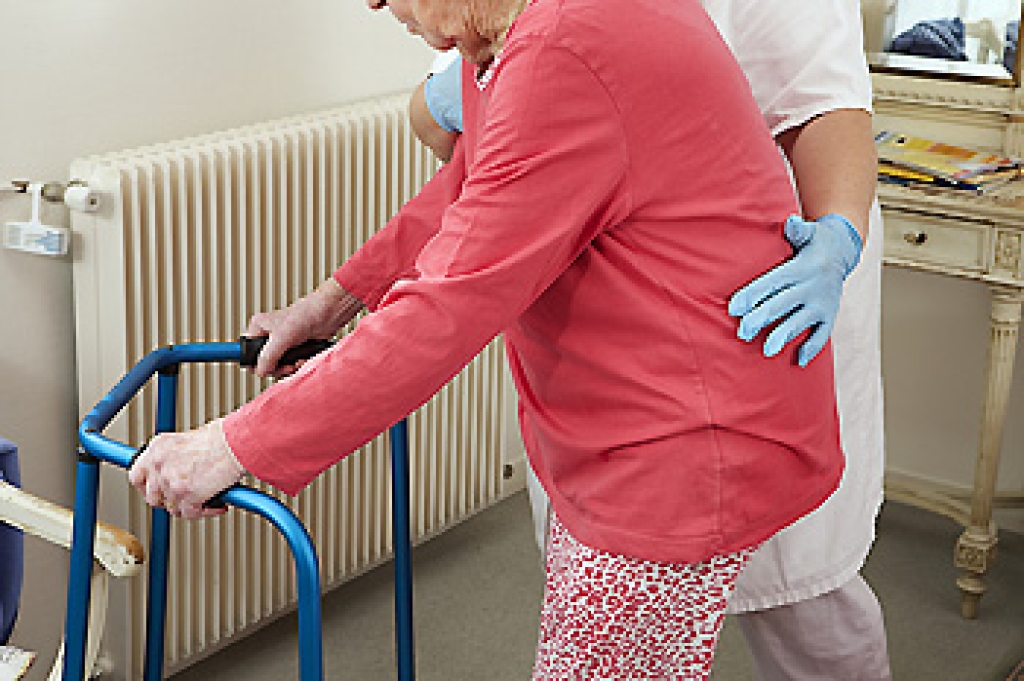
Falling May Cause a Lack of Independence

The aging process can make seniors more prone to falling, as well as cause damage to their feet. This can be the result of a loss of cushioning in the feet and bones that may have become brittle. Additionally, many elderly people can feel a loss of independence, and falling one time can invoke fear of completing daily activities. There are methods that can be implemented which can make it safer for seniors to move about. These can consist of installing grab bars in the shower and toilet areas, and removing worn rugs and other tripping hazards from the living area. Furthermore, it can help to improve lighting in the household. Many seniors find it helps to have regular physical examinations, which are necessary in order to monitor existing medications. If you have questions about how falling can affect the feet, please ask a podiatrist.

Preventing falls among the elderly is very important. If you are older and have fallen or fear that you are prone to falling, consult with Ainsley Rusevlyan, DPM from InStride Roberson Footcare. Our doctor will assess your condition and provide you with quality advice and care.

Every 11 seconds, an elderly American is being treated in an emergency room for a fall related injury. Falls are the leading cause of head and hip injuries for those 65 and older. Due to decreases in strength, balance, senses, and lack of awareness, elderly persons are very susceptible to falling. Thankfully, there are a number of things older persons can do to prevent falls.

How to Prevent Falls

Some effective methods that older persons can do to prevent falls include:

  • Enrolling in strength and balance exercise program to increase balance and strength
  • Periodically having your sight and hearing checked
  • Discuss any medications you have with a doctor to see if it increases the risk of falling
  • Clearing the house of falling hazards and installing devices like grab bars and railings
  • Utilizing a walker or cane
  • Wearing shoes that provide good support and cushioning
  • Talking to family members about falling and increasing awareness

Falling can be a traumatic and embarrassing experience for elderly persons; this can make them less willing to leave the house, and less willing to talk to someone about their fears of falling. Doing such things, however, will increase the likelihood of tripping or losing one’s balance. Knowing the causes of falling and how to prevent them is the best way to mitigate the risk of serious injury.  

If you have any questions, please feel free to contact our office located in Washington, NC . We offer the newest diagnostic and treatment technologies for all your foot care needs.


Read more about Falls Prevention

Take Five, and Give Your Feet a Break

People who work all day on their feet can experience throbbing, painful feet at the end of a shift. Along with putting your feet up during work breaks and standing on a cushioned mat, a few simple exercises after hours may help to alleviate the swelling and ease pain. Take your shoes and socks off and sit in a chair. Put a tennis ball on the floor and, using the bottom of your foot, press down and roll it around. Do this for a few minutes and then switch feet. For pain specifically on the bottom of the foot, stand up and lift your leg behind you. Place your toes down behind you and lightly push, feeling the stretch on the bottom of your foot. Hold this position for 10 seconds and then repeat on the other foot. To stretch your ankles, lay on your back and point your toes up towards the ceiling. Alternately point and flex your toes 10 times, and then gently roll your ankles in circles. You can schedule an appointment with a podiatrist who can examine your feet and offer additional ways to support and protect your feet, and relieve any heel or ankle pain you may be experiencing.

While working on the feet, it is important to take the proper care of them. For more information about working on your feet, contact Ainsley Rusevlyan, DPM from InStride Roberson Footcare. Our doctor will treat your foot and ankle needs.

Working on Your Feet

Standing on your feet for long periods of time can cause stress and pain in your feet. Your whole body may experience change in terms of posture, back pain, bunions, callouses and or plantar warts. There are ways to avoid these conditions with proper foot care, smart choices and correct posture.

Positive Changes

Negative heeled shoe – Choosing this shoe type places the heel slightly lower than the ball of the foot. These are great for overall foot health. Find shoes that fit you correctly.

Go barefoot – Our feet were not designed to be enclosed for all hours of the day. Try to periodically expose your feet to air.

Eliminate Pain

Foot Exercises – Performing simple exercises, incorporating yoga and doing stretches are beneficial. This will allow increased blood flow to the area and muscles of the foot.

Achilles tendon – Stretching the foot out flat on the floor will relax the calf muscles and tendon. These exercises can be performed almost anywhere. Make sure you add these exercises to your daily regimen. 

With a little bit of this information and knowing more about foot health, you will notice changes. Foot stretches and proper footwear will help with pain and prevent further issues.

If you have any questions please contact our office located in Washington, NC . We offer the newest diagnostic and treatment technologies for all your foot and ankle needs.

Read more about Working on Your Feet

It's Time for Beautiful Feet

You don't need an excuse to have beautiful nails. Step outside without worrying about the appearance of your feet.

How a Podiatrist Can Help You

Medical doctors who specialize in treating the lower legs and feet are known as podiatrists. They can treat issues that stem from both injuries as well as medical conditions, like diabetes, and they can perform surgeries, reset broken bones, run tests and prescribe medications. Because diabetes can cause patients to not get enough blood to their feet, regular podiatrist visits can help prevent severe issues in diabetics that can lead to amputation. Patients who are suffering from heel pain should visit a podiatrist because of the stability the heel provides. Podiatrists can also help patients with skin conditions such as corns, calluses, warts, and Athlete’s foot. Toenail issues such as ingrown toenails or fungal nail infections can be treated by podiatrists as well. If you are experiencing issues with your feet, visiting a podiatrist for help is suggested.

If you are experiencing pain in the feet or ankles, don’t join the stubborn majority refusing treatment. Feel free to contact Ainsley Rusevlyan, DPM from InStride Roberson Footcare. Our doctor can provide the care you need to keep you pain-free and on your feet.

What Is a Podiatrist?

Someone would seek the care of a podiatrist if they have suffered a foot injury or have common foot ailments such as heal spurs, bunions, arch problems, deformities, ingrown toenails, corns, foot and ankle problems, etc.

Podiatric Treatment

A podiatrist will treat the problematic areas of the feet, ankle or lower leg by prescribing the following:

  • Physical therapy
  • Drugs
  • Orthotic inserts or soles
  • Surgery on lower extremity fractures

A common podiatric procedure a podiatrist will use is a scanner or force plate which will allow the podiatrist to know the designs of orthotics. Patients are then told to follow a series of tasks to complete the treatment. The computer will scan the foot a see which areas show weight distribution and pressure points. The podiatrist will read the analysis and then determine which treatment plans are available.

If you have any questions, please feel free to contact our office located in Washington, NC . We offer the newest diagnostic and treatment technologies for all your foot care needs.

Read more about What is a Podiatrist?

Causes and Preventative Methods for Cracked Heels

Cracked heels are a common foot problem that can affect up to one in five adults. While cracked heels aren’t usually a big issue for most, they can lead to discomfort and severe pain. There are a variety of factors that can lead to cracked heels. These include standing for long periods of time, walking barefoot, using harsh soaps, dry skin from the climate, and shoes that don’t support the heels. Medical causes such as a vitamin deficiency, fungal infection, obesity, or pregnancy can also lead to cracked heels. In order to prevent cracked heels, make sure to wear shoes that properly support the heels by avoiding shoes with an open back, tall skinny heel, or shoes that are too tight. Staying hydrated, using a foot cream, avoiding standing in one place for a long period of time, and using custom shoe inserts are all ways to help prevent and treat cracked heels. If you have painful cracked heels, consulting with a podiatrist is suggested for a proper treatment method.   

If the skin on your feet starts to crack, you may want to see a podiatrist to find treatment. If you have any concerns, contact Ainsley Rusevlyan, DPM from InStride Roberson Footcare. Our doctor can provide the care you need to keep you pain-free and on your feet.

Cracked Heels

It is important to moisturize your cracked heels in order to prevent pain, bleeding, and infection. The reason cracked heels form is because the skin on the foot is too dry to support the immense pressure placed on them. When the foot expands, the dry skin on the foot begins to split.

Ways to Help Heal Them

  • Invest in a good foot cream
  • Try Using Petroleum Jelly
  • Ease up on Soaps
  • Drink Plenty of Water

Ways to Prevent Cracked Heels

  • Moisturize After Showering
  • Skip a Shower
  • Keep Shower Water Lukewarm
  • Don’t Scrub Your Feet

If you are unsure how to proceed in treating cracked heels, seek guidance from a podiatrist. Your doctor will help you with any questions or information you may need. 

If you have any questions, please feel free to contact our office located in Washington, NC . We offer the newest diagnostic and treatment technologies for all your foot care needs.
Read more about Solutions for Cracked Heels
Connect With Us