

Nail Clinic - Established Patients Only - Mondays 9am-12pm

Ainsley Roberson Rusevlyan, DPM

(252) 946-1181Washington, NC

google review

Blog

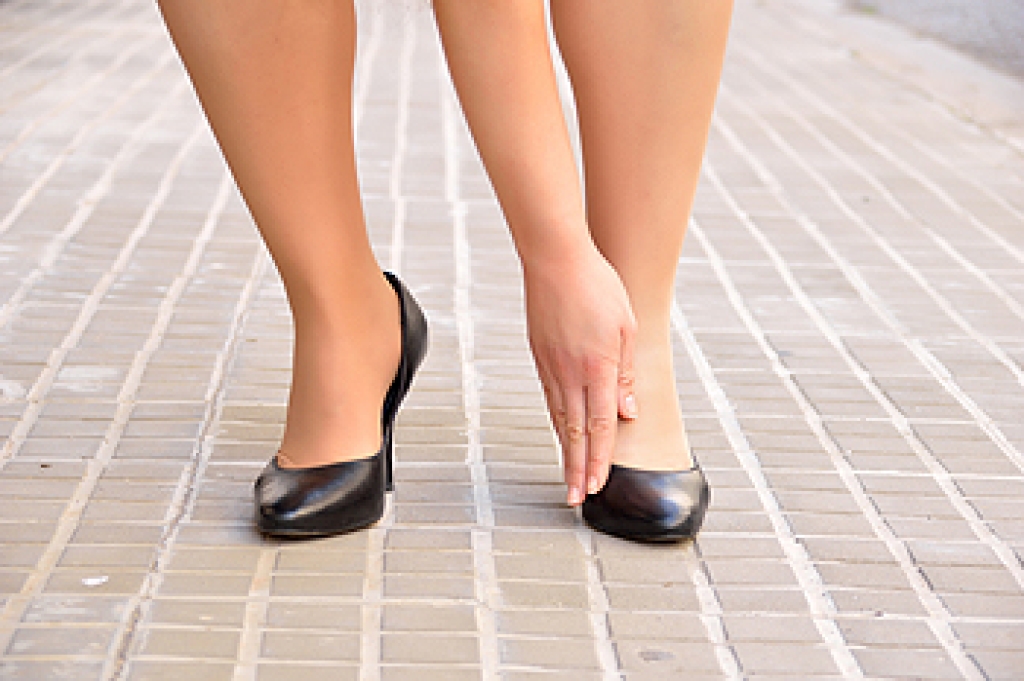
Minimizing the Harm From High Heels

High heels are a style staple for many people, but unfortunately, these beautiful shoes can wreak havoc on the feet. Still, giving up your favorite pair of heels can be a big ask. If you would like to continue wearing high heels, you can take several measures to reduce your risk of pain and injuries. Limit the time that you spend wearing your high heels by wearing them on days when you will not be doing much walking or standing, or alternate wearing high heels with wearing flats. Be sure that you are wearing the correct size and that your shoes fit comfortably. Look for well-constructed, supportive shoes when you buy your next pair. You may want to opt for a lower heel of one to two inches as well. For more information on what you can do to protect your feet, speak with a podiatrist today.

High heels have a history of causing foot and ankle problems. If you have any concerns about your feet or ankles, contact Ainsley Rusevlyan, DPM from InStride Roberson Footcare. Our doctor can provide the care you need to keep you pain-free and on your feet.

Effects of High Heels on the Feet

High heels are popular shoes among women because of their many styles and societal appeal.  Despite this, high heels can still cause many health problems if worn too frequently.

Which Parts of My Body Will Be Affected by High Heels?

  • Ankle Joints
  • Achilles Tendon – May shorten and stiffen with prolonged wear
  • Balls of the Feet
  • Knees – Heels cause the knees to bend constantly, creating stress on them
  • Back – They decrease the spine’s ability to absorb shock, which may lead to back pain.  The vertebrae of the lower back may compress.

What Kinds of Foot Problems Can Develop from Wearing High Heels?

  • Corns
  • Calluses
  • Hammertoe
  • Bunions
  • Morton’s Neuroma
  • Plantar Fasciitis

How Can I Still Wear High Heels and Maintain Foot Health?

If you want to wear high heeled shoes, make sure that you are not wearing them every day, as this will help prevent long term physical problems.  Try wearing thicker heels as opposed to stilettos to distribute weight more evenly across the feet.  Always make sure you are wearing the proper shoes for the right occasion, such as sneakers for exercising.  If you walk to work, try carrying your heels with you and changing into them once you arrive at work.  Adding inserts to your heels can help cushion your feet and absorb shock. Full foot inserts or metatarsal pads are available. 

If you have any questions, please feel free to contact our office located in Washington, NC . We offer the newest diagnostic and treatment technologies for all your foot care needs.
Read more about Effect of High Heels on the Feet

Is My Toe Broken?

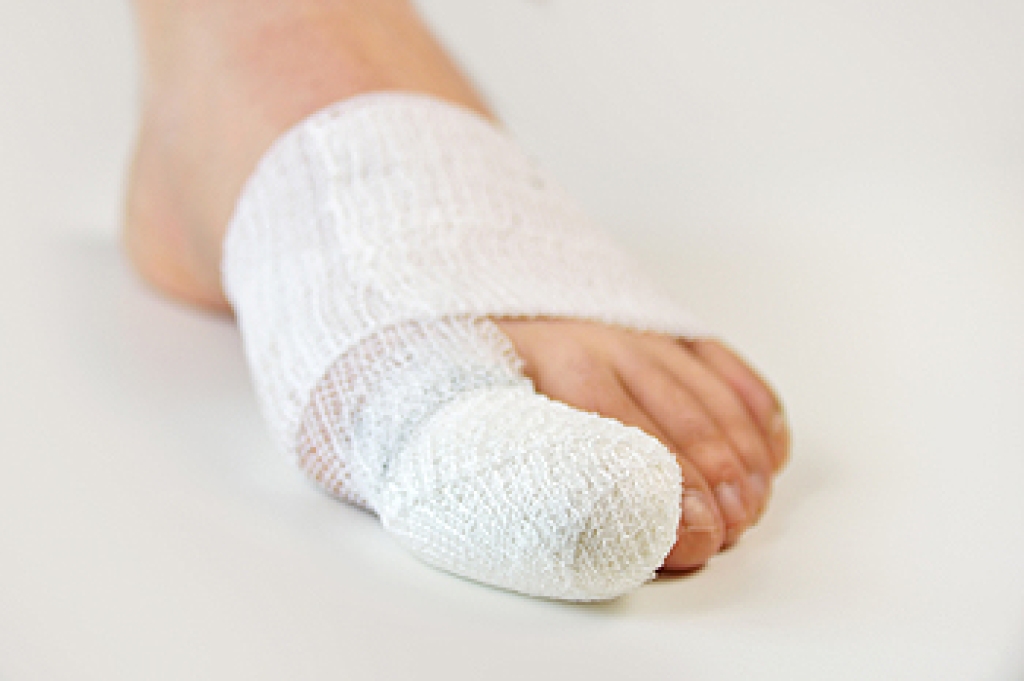
There are many signs that can indicate if a person has broken their toe. Common symptoms of a broken toe can include pain when the affected toe is touched, difficulty walking, as well as swelling and bruising. Bruising can appear with vivid discoloration if the injury is extreme. Sometimes the toenail of the affected toe can become severely damaged and show abnormalities if a break has occurred. Blood may become trapped under the toenail causing discoloration. More noticeably, you may see a bone protrude from the affected toe. If you believe you have a broken toe, it’s important that you visit a podiatrist who can provide a proper diagnosis and an advised treatment plan.

Broken toes may cause a lot of pain and should be treated as soon as possible. If you have any concerns about your feet, contact Ainsley Rusevlyan, DPM from InStride Roberson Footcare. Our doctor will treat your foot and ankle needs.

What Is a Broken Toe?

A broken toe occurs when one or more of the toe bones of the foot are broken after an injury. Injuries such as stubbing your toe or dropping a heavy object on it may cause a toe fracture.

Symptoms of a Broken Toe

  • Swelling
  • Pain (with/without wearing shoes)
  • Stiffness
  • Nail Injury

Although the injured toe should be monitored daily, it is especially important to have a podiatrist look at your toe if you have severe symptoms. Some of these symptoms include worsening or new pain that is not relieved with medication, sores, redness, or open wounds near the toe.

If you have any questions please feel free to contact our office located in Washington, NC . We offer the newest diagnostic tools and technology to treat your foot and ankle needs.

Read more about What to Know About a Broken Toe

Treatments for Excessively Sweaty Feet

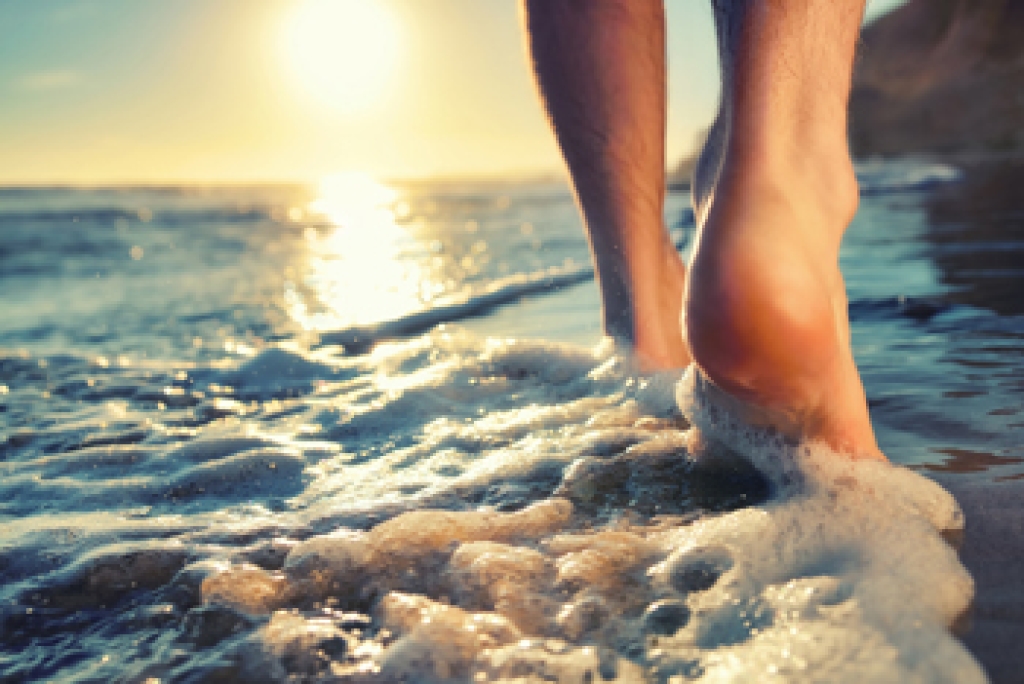
As you walk around this summer, do you find your feet slipping and sliding out of your shoes? Do you leave behind wet footprints when you walk barefoot around the house? Are your feet regularly sweating buckets for no good reason? If so, you may have plantar hyperhidrosis, a condition that causes excessively sweaty feet. Beyond being annoying and embarrassing, hyperhidrosis can also make your feet more prone to infection due to the constant wetness breaking down your skin. Fortunately, there are treatments available for this condition. One treatment option is iontophoresis, in which a doctor submerges your feet in water with a mild electrical current through it in order to disable the overactive sweat glands, therefore reducing excessive sweating in your feet. Other potential treatment options include prescribing an antiperspirant or botox injections for your feet. If you have excessively sweaty feet, consult with a podiatrist to explore your treatment options.

If you are suffering from hyperhidrosis contact Ainsley Rusevlyan, DPM of InStride Roberson Footcare. Our doctor can provide the care you need to attend to all of your foot and ankle needs.

Hyperhidrosis of the Feet

Hyperhidrosis is a rare disorder that can cause people to have excessive sweating of their feet. This can usually occur all on its own without rigorous activity involved. People who suffer from hyperhidrosis may also experience sweaty palms.

Although it is said that sweating is a healthy process meant to cool down the body temperature and to maintain a proper internal temperature, hyperhidrosis may prove to be a huge hindrance on a person’s everyday life.

Plantar hyperhidrosis is considered to be the main form of hyperhidrosis. Secondary hyperhidrosis can refer to sweating that occurs in areas other than the feet or hands and armpits. Often this may be a sign of it being related to another medical condition such as menopause, hyperthyroidism and even Parkinson’s disease.

In order to alleviate this condition, it is important to see your doctor so that they may prescribe the necessary medications so that you can begin to live a normal life again. If this is left untreated, it is said that it will persist throughout an individual’s life.

A last resort approach would be surgery, but it is best to speak with your doctor to find out what may be the best treatment for you.

If you have any questions, please feel free to contact our office located in Washington, NC . We offer the newest diagnostic and treatment technologies for all your foot care needs.
Read more about Hyperhidrosis of the Feet

Foot Problem Prevention for Elders

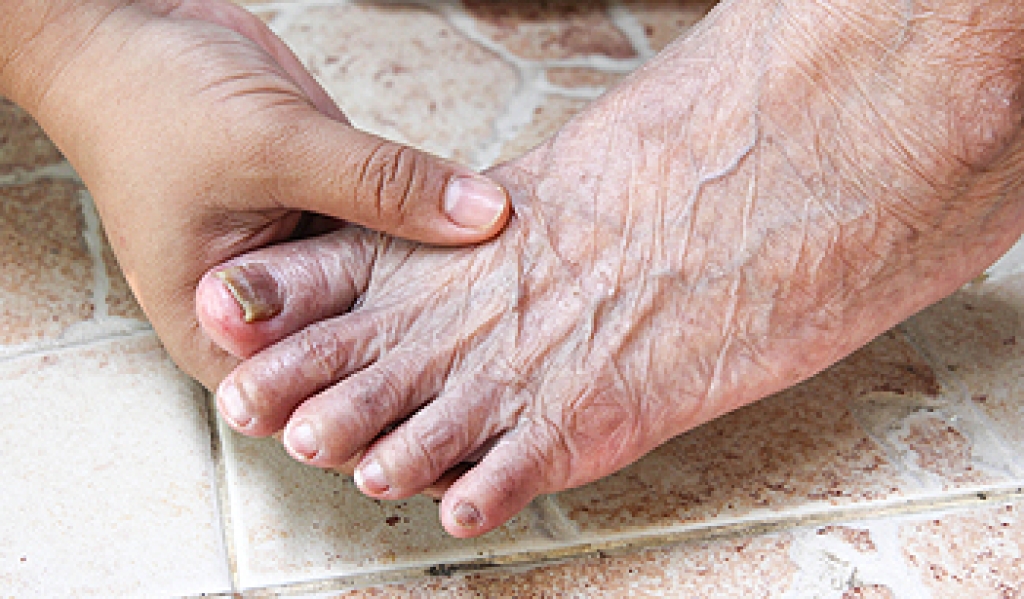
Foot ailments can become more common as we age. To decrease the likelihood of developing various foot problems, it is important to take care of your feet. Wearing the right shoes is of the utmost importance. Shoes that are too tight can increase the risk of foot pain, hammertoes, bunions, and blisters, while shoes that are too loose can lead to a fall. It is recommended that you wear comfortable, properly fitted shoes that give your toes room to move. Keeping your feet well-moisturized can prevent corns and calluses, while cutting your toenails regularly can prevent ingrown nails. Another thing that you can do to benefit your feet is to stretch them. Flex and wiggle your toes and walk regularly to help maintain foot strength and flexibility. If you develop foot problems, it is recommended that you see a podiatrist, who can diagnose and treat your condition.

Proper foot care is something many older adults forget to consider. If you have any concerns about your feet and ankles, contact Ainsley Rusevlyan, DPM from InStride Roberson Footcare. Our doctor can provide the care you need to keep you pain-free and on your feet.

The Elderly and Their Feet

As we age we start to notice many changes in our body, but the elder population may not notice them right away. Medical conditions may prevent the elderly to take notice of their foot health right away. Poor vision is a lead contributor to not taking action for the elderly.

Common Conditions 

  • Neuropathy – can reduce feeling in the feet and can hide many life-threatening medical conditions.
  • Reduced flexibility – prevents the ability of proper toenail trimming, and foot cleaning. If left untreated, it may lead to further medical issues.
  • Foot sores – amongst the older population can be serious before they are discovered. Some of the problematic conditions they may face are:
  • Gouging toenails affecting nearby toe
  • Shoes that don’t fit properly
  • Pressure sores
  • Loss of circulation in legs & feet
  • Edema & swelling of feet and ankles

Susceptible Infections

Diabetes and poor circulation can cause general loss of sensitivity over the years, turning a simple cut into a serious issue.

If you have any questions, please feel free to contact our office located in Washington, NC . We offer the newest diagnostic and treatment technologies for all your foot care needs.
Read more about Elderly and their Feet

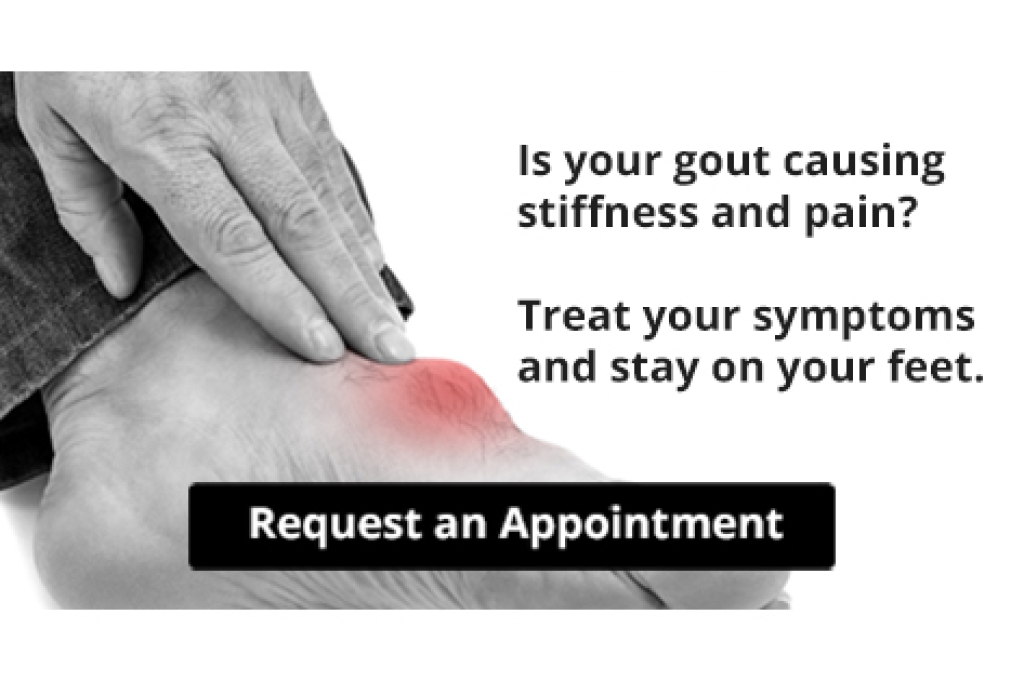
Gout Pain Can Be Managed

Gout is a painful, inflammatory form of arthritis. Those affected will typically feel an intense stiffness in the joints of their feet, particularly in the big toe. Schedule a visit to learn about how gout can be managed and treated.

Connect With Us