

Nail Clinic - Established Patients Only - Mondays 9am-12pm

Ainsley Roberson Rusevlyan, DPM

(252) 946-1181Washington, NC

google review

Blog

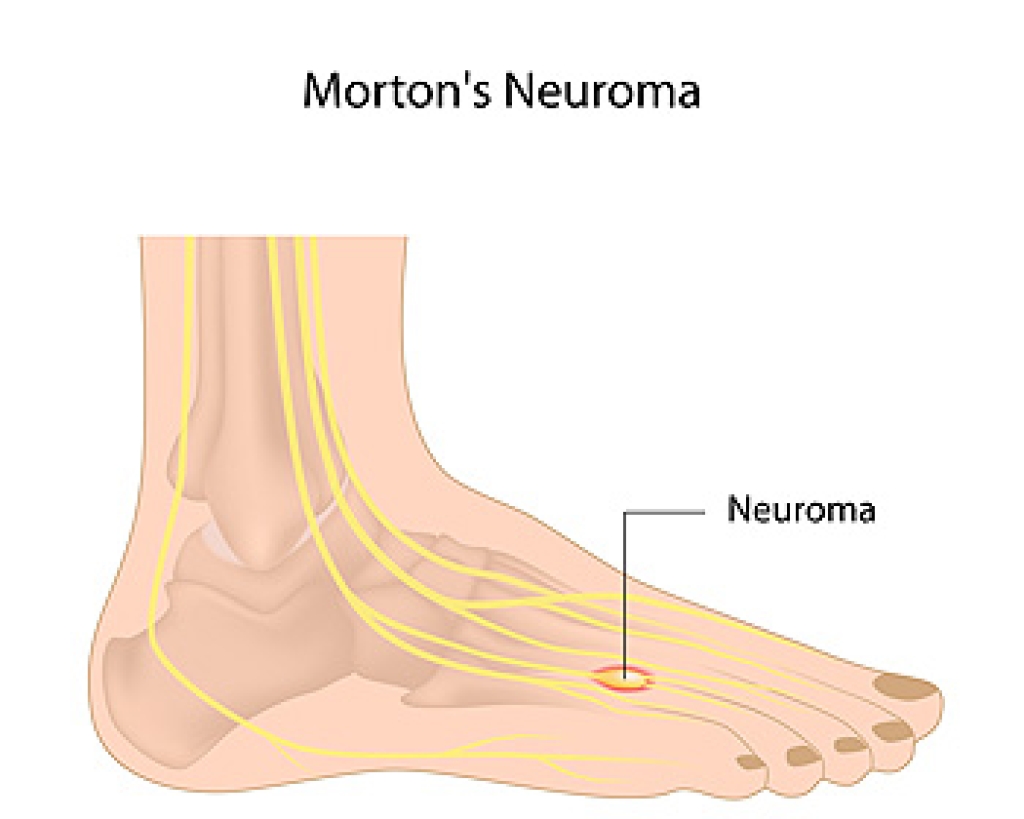
Morton’s Neuroma Causes Burning Pain

Morton’s neuroma refers to the thickening or scarring of a nerve in the ball of the foot. This condition typically affects the nerve located between the third and fourth toes. When the nerve is compressed or irritated, the nerve tissue can thicken and scar, causing a variety of painful symptoms. If left untreated, nerve damage may become permanent. Symptoms of Morton’s neuroma include burning pain in the ball of the foot, tingling, numbness, and the feeling of walking on a pebble. Symptoms usually worsen while walking, bearing weight on the affected foot, or wearing tight shoes. If you are experiencing the symptoms of Morton’s neuroma, please seek the care of a podiatrist. 

Morton’s neuroma is a very uncomfortable condition to live with. If you think you have Morton’s neuroma, contact Ainsley Rusevlyan, DPM of InStride Roberson Footcare. Our doctor will attend to all of your foot care needs and answer any of your related questions.  

Morton’s Neuroma

Morton's neuroma is a painful foot condition that commonly affects the areas between the second and third or third and fourth toe, although other areas of the foot are also susceptible. Morton’s neuroma is caused by an inflamed nerve in the foot that is being squeezed and aggravated by surrounding bones.

What Increases the Chances of Having Morton’s Neuroma?

  • Ill-fitting high heels or shoes that add pressure to the toe or foot
  • Jogging, running or any sport that involves constant impact to the foot
  • Flat feet, bunions, and any other foot deformities

Morton’s neuroma is a very treatable condition. Orthotics and shoe inserts can often be used to alleviate the pain on the forefront of the feet. In more severe cases, corticosteroids can also be prescribed. In order to figure out the best treatment for your neuroma, it’s recommended to seek the care of a podiatrist who can diagnose your condition and provide different treatment options.

If you have any questions, please feel free to contact our office located in Washington, NC . We offer the newest diagnostic and treatment technologies for all your foot care needs.

Read more about Morton's Neuroma

Can I Wear Running Shoes for Walking Too?

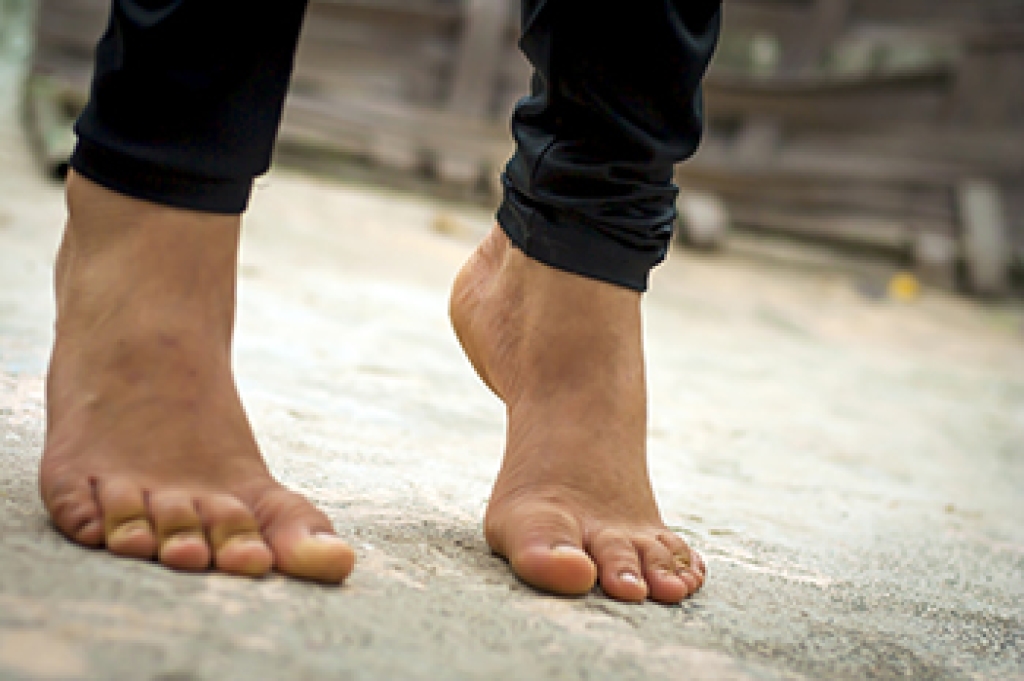
If you are new to the world of working out, you may be wondering what type of shoes to get. Running shoes are often found in shoe stores, but what if you just want to walk? Can you still wear running shoes? The answer is yes, but you may want to consider the differences between running and walking shoes. Running shoes have more cushioning and support than walking shoes. This is to protect the feet against the pounding and stronger impacts that occur while running. Running shoes are also less flexible than walking shoes. Finally, because running generates more heat than walking, running shoes are generally made of more breathable materials than walking shoes. Unfortunately, walking shoes can be more difficult to find than running shoes. Stores that sell them often have a limited selection of styles and colors relative to other types of shoes. If you are unsure of what kind of shoes would best suit your needs, a podiatrist can examine your feet and provide you with suggestions on what to look for when shopping for the right pair of shoes for you. 

For more information about walking shoes versus running shoes, consult with Ainsley Rusevlyan, DPM from InStride Roberson Footcare. Our doctor can measure your feet to determine what your needs are and help you find an appropriate pair of footwear.

Foot Health: The Differences between Walking & Running Shoes

There are great ways to stay in shape: running and walking are two great exercises to a healthy lifestyle. It is important to know that running shoes and walking shoes are not interchangeable. There is a key difference on how the feet hit the ground when someone is running or walking. This is why one should be aware that a shoe is designed differently for each activity.

You may be asking yourself what the real differences are between walking and running shoes and the answers may shock you.

Differences

Walking doesn’t involve as much stress or impact on the feet as running does. However, this doesn’t mean that you should be any less prepared. When you’re walking, you land on your heels and have your foot roll forward. This rolling motion requires additional support to the feet.

Flexibility – Walking shoes are designed to have soft, flexible soles. This allows the walker to push off easily with each step.

If you have any questions, please feel free to contact our office located in Washington, NC . We offer the newest diagnostic and treatment technologies for all your foot care needs.
Read more about Differences between Walking and Running Shoes

How Do Podiatrists Treat Plantar Hyperhidrosis?

Plantar hyperhidrosis is a condition that causes the feet to sweat excessively. Having wet, sweaty feet most of the time is not only annoying, but can ruin your shoes, increase your risk of slipping and falling, and break down the skin on the feet, leading to athlete’s foot and other skin infections. The first line of treatment for this condition is usually topical medications, which are applied directly to the skin’s surface. Your podiatrist may prescribe an antiperspirant cream or powder. If these fail, your doctor may suggest iontophoresis, a procedure that uses electrical currents to reduce sweating. Botox injections into the feet are another potential solution. To learn more about treatments for plantar hyperhidrosis, please consult with a podiatrist. 

If you are suffering from hyperhidrosis contact Ainsley Rusevlyan, DPM of InStride Roberson Footcare. Our doctor can provide the care you need to attend to all of your foot and ankle needs.

Hyperhidrosis of the Feet

Hyperhidrosis is a rare disorder that can cause people to have excessive sweating of their feet. This can usually occur all on its own without rigorous activity involved. People who suffer from hyperhidrosis may also experience sweaty palms.

Although it is said that sweating is a healthy process meant to cool down the body temperature and to maintain a proper internal temperature, hyperhidrosis may prove to be a huge hindrance on a person’s everyday life.

Plantar hyperhidrosis is considered to be the main form of hyperhidrosis. Secondary hyperhidrosis can refer to sweating that occurs in areas other than the feet or hands and armpits. Often this may be a sign of it being related to another medical condition such as menopause, hyperthyroidism and even Parkinson’s disease.

In order to alleviate this condition, it is important to see your doctor so that they may prescribe the necessary medications so that you can begin to live a normal life again. If this is left untreated, it is said that it will persist throughout an individual’s life.

A last resort approach would be surgery, but it is best to speak with your doctor to find out what may be the best treatment for you.

If you have any questions, please feel free to contact our office located in Washington, NC . We offer the newest diagnostic and treatment technologies for all your foot care needs.
Read more about Hyperhidrosis of the Feet

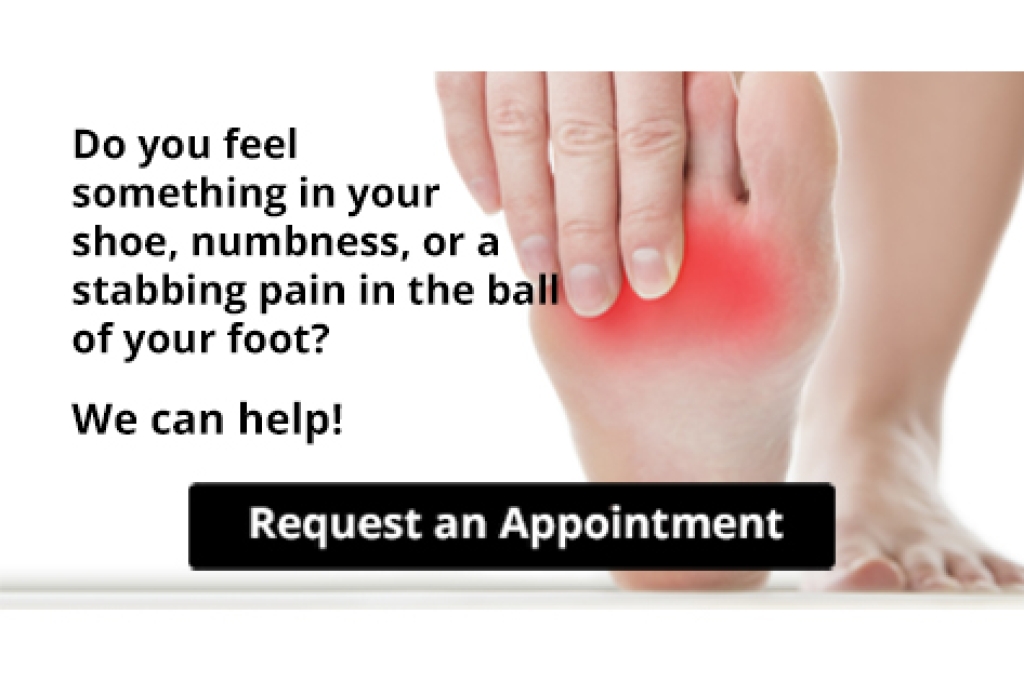
Why Live with Pain and Numbness in Your Feet?

Suffering from this type of pain? You may have the foot condition known as Morton's neuroma. Morton's neuroma may develop as a result of ill-fitting footwear and existing foot deformities. We can help.

Can Sever’s Disease Affect Both Feet?

Sever’s disease, also known as calcaneal apophysitis, is an overuse injury of the growth plate in the heel bone. This condition typically affects children between the ages of 8 and 14 who participate in sports or running and jumping activities. It is thought to be caused by the Achilles tendon pulling repetitively on the heel’s growth plate, creating tiny injuries that can become inflamed and painful. Sever's disease can affect either one foot or both feet at the same time. It affects both feet in about sixty percent of cases. This condition is typically treated with rest, footwear and activity modifications, and over the counter anti-inflammatory medications. If your child complains of heel pain, it is suggested that you take them to see a podiatrist right away.

Sever's disease often occurs in children and teens. If your child is experiencing foot or ankle pain, see Ainsley Rusevlyan, DPM from InStride Roberson Footcare. Our doctor can treat your child’s foot and ankle needs.

Sever’s Disease

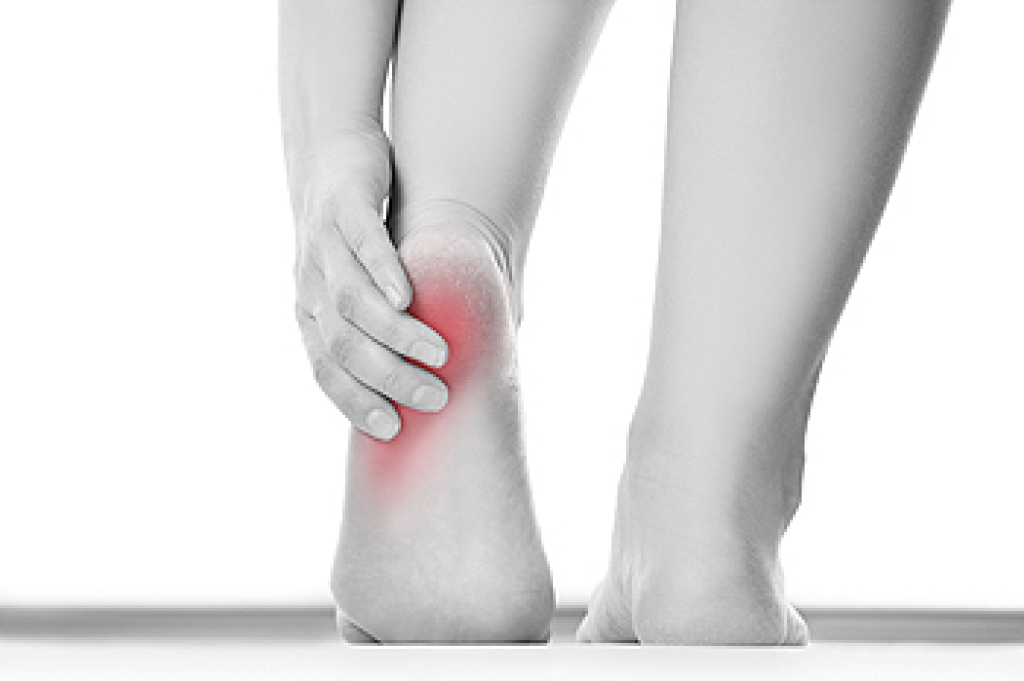
Sever’s disease is also known as calcaneal apophysitis, which is a medical condition that causes heel pain I none or both feet. The disease is known to affect children between the ages of 8 and 14.

Sever’s disease occurs when part of the child’s heel known as the growth plate (calcaneal epiphysis) is attached to the Achilles tendon. This area can suffer injury when the muscles and tendons of the growing foot do not keep pace with bone growth. Therefore, the constant pain which one experiences at the back of the heel will make the child unable to put any weight on the heel. The child is then forced to walk on their toes.

Symptoms

Acute pain – Pain associated with Sever’s disease is usually felt in the heel when the child engages in physical activity such as walking, jumping and or running.

Highly active – Children who are very active are among the most susceptible in experiencing Sever’s disease, because of the stress and tension placed on their feet.

If you have any questions, please feel free to contact our office located in Washington, NC . We offer the newest diagnostic and treatment technologies for all your foot care needs.

Read more about Sever's Disease
Connect With Us