
Nail Clinic - Established Patients Only - Mondays 9am-12pm

Ainsley Roberson Rusevlyan, DPM

(252) 946-1181Washington, NC

google review

Blog

Who Can Get an Achilles Tendon Injury?

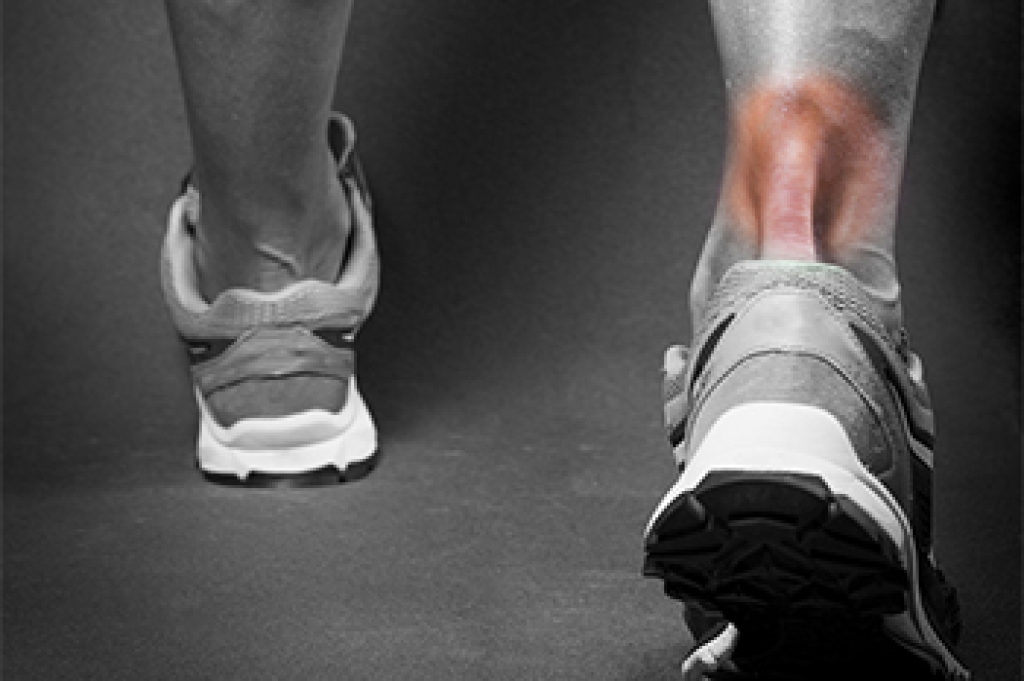
People who have endured an Achilles tendon injury are often not mistaken about it. A common sign is an immediate pain and discomfort, and it can be extremely difficult to walk. It can happen as a result of increasing running speed and mileage too quickly, and this type of injury can fall into two categories. Noninsertional Achilles tendinitis affects the middle of the tendon, and younger people are prone to developing this type of injury. The lower part of the tendon is affected where it attaches to the heel bone during insertional Achilles tendinitis and can affect people of all ages. Additional symptoms can include heel and calf pain, and there can be a limited range of motion. Some people develop Achilles tendon injuries from not warming up or cooling down properly, in addition to wearing shoes that do not fit properly. This is an injury that needs prompt medical attention for a complete recovery so it is suggested that a podiatrist be contacted who can guide you toward the best treatment techniques. 

Achilles tendon injuries need immediate attention to avoid future complications. If you have any concerns, contact Ainsley Rusevlyan, DPM of InStride Roberson Footcare. Our doctor can provide the care you need to keep you pain-free and on your feet.

What Is the Achilles Tendon?

The Achilles tendon is a tendon that connects the lower leg muscles and calf to the heel of the foot. It is the strongest tendon in the human body and is essential for making movement possible. Because this tendon is such an integral part of the body, any injuries to it can create immense difficulties and should immediately be presented to a doctor.

What Are the Symptoms of an Achilles Tendon Injury?

There are various types of injuries that can affect the Achilles tendon. The two most common injuries are Achilles tendinitis and ruptures of the tendon.

Achilles Tendinitis Symptoms

  • Inflammation
  • Dull to severe pain
  • Increased blood flow to the tendon
  • Thickening of the tendon

Rupture Symptoms

  • Extreme pain and swelling in the foot
  • Total immobility

Treatment and Prevention

Achilles tendon injuries are diagnosed by a thorough physical evaluation, which can include an MRI. Treatment involves rest, physical therapy, and in some cases, surgery. However, various preventative measures can be taken to avoid these injuries, such as:

  • Thorough stretching of the tendon before and after exercise
  • Strengthening exercises like calf raises, squats, leg curls, leg extensions, leg raises, lunges, and leg presses

If you have any questions please feel free to contact our office located in Washington, NC . We offer the newest diagnostic tools and technology to treat your foot and ankle needs.
Read more about Achilles Tendon Injuries

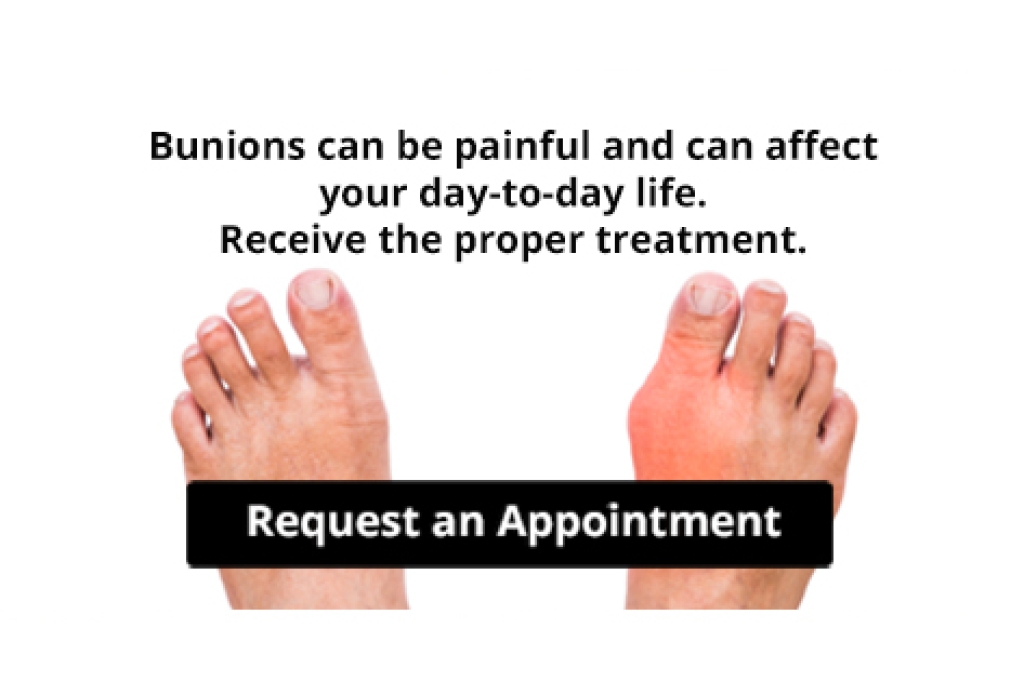
Are Bunions Affecting Your Everyday Life?

Have you noticed a bony protrusion on the side of your big toe? If so, you may have developed the foot condition known as a bunion. Don't let bunions interfere with your daily activities.

Hammertoe Surgery Complications

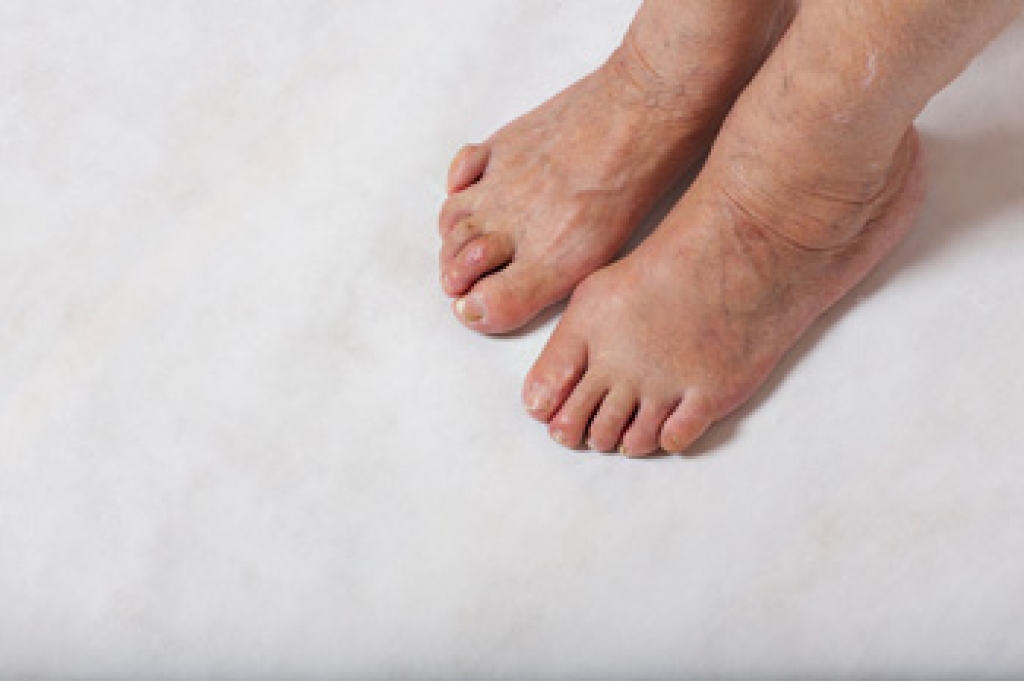
A hammertoe gets its name from a deformity of the toe that has the appearance of a hammer. The deformed toe gets curled because of a bend that occurs in the middle joint of the affected toe. This often happens due to wearing improperly fitting footwear, such as high heels or shoes that do not have sufficient room in the toe box. The toes are forced to move into a space that is too small or that does not allow for them to lie flat comfortably. This process causes the muscles to tighten and tendons to contract. Other factors that can cause hammertoes include genetics, a broken toe, a sedentary lifestyle, and diseases that inhibit blood flow to the foot. The affected toe(s) may become painful to move and, due to their odd positions, might rub against the inside of shoes causing corns and calluses to form. Often changing footwear and getting orthotics is enough to relieve pain, but if that does not help or the toe has become inflexible or rigid, surgery might be required. Risks of hammertoe surgery include pain and swelling at the site of the operation. If the pain radiates to other parts of the foot, the surgery may have caused nerve damage. Other complications can be numbness, limited range of motion, and infection. The surgery and side effects often depend on the severity of the condition. If you have a hammertoe, it is advised that you see a podiatrist as soon as possible. Tending to this early may help prevent the need for surgery and any complications that could arise.

Hammertoe

Hammertoes can be a painful condition to live with. For more information, contact Ainsley Rusevlyan, DPM from InStride Roberson Footcare. Our doctor will answer any of your foot- and ankle-related questions.

Hammertoe is a foot deformity that affects the joints of the second, third, fourth, or fifth toes of your feet. It is a painful foot condition in which these toes curl and arch up, which can often lead to pain when wearing footwear.

Symptoms

  • Pain in the affected toes
  • Development of corns or calluses due to friction
  • Inflammation
  • Redness
  • Contracture of the toes

Causes

Genetics – People who are genetically predisposed to hammertoe are often more susceptible

Arthritis – Because arthritis affects the joints in your toes, further deformities stemming from arthritis can occur

Trauma – Direct trauma to the toes could potentially lead to hammertoe

Ill-fitting shoes – Undue pressure on the front of the toes from ill-fitting shoes can potentially lead to the development of hammertoe

Treatment

Orthotics – Custom made inserts can be used to help relieve pressure placed on the toes and therefore relieve some of the pain associated with it

Medications – Oral medications such as anti-inflammatories or NSAIDs could be used to treat the pain and inflammation hammertoes causes. Injections of corticosteroids are also sometimes used

Surgery – In more severe cases where the hammertoes have become more rigid, foot surgery is a potential option

If you have any questions, please feel free to contact our office located in Washington, NC . We offer the newest diagnostic and treatment technologies for all your foot care needs.

Read more about What Are Hammertoes?

Contagious Athlete’s Foot

The foot condition known as athlete’s foot can be uncomfortable and many people are embarrassed at how their feet look when they are afflicted with this ailment. It is caused by a fungus that lives in warm and moist environments including shower room floors, public swimming pools, and locker rooms. The fungus can invade the body through small cracks in the skin on the feet and initial symptoms of athlete’s foot can consist of itchiness and redness. It is suggested to wear appropriate shoes while in these types of areas as this may help to control the spread of athlete's foot. It is a contagious foot condition, and it is suggested that towels, shoes, and socks should not be shared. The symptoms of untreated athlete’s foot may gradually worsen and if you suffer from this ailment, it is strongly suggested that you are under the care of a podiatrist who can offer you the correct treatment methods.

Athlete’s Foot

Athlete’s foot is often an uncomfortable condition to experience. Thankfully, podiatrists specialize in treating athlete’s foot and offer the best treatment options. If you have any questions about athlete’s foot, consult with Ainsley Rusevlyan, DPM from InStride Roberson Footcare. Our doctor will assess your condition and provide you with quality treatment.

What Is Athlete’s Foot?

Tinea pedis, more commonly known as athlete’s foot, is a non-serious and common fungal infection of the foot. Athlete’s foot is contagious and can be contracted by touching someone who has it or infected surfaces. The most common places contaminated by it are public showers, locker rooms, and swimming pools. Once contracted, it grows on feet that are left inside moist, dark, and warm shoes and socks.

Prevention

The most effective ways to prevent athlete’s foot include:

  • Thoroughly washing and drying feet
  • Avoid going barefoot in locker rooms and public showers
  • Using shower shoes in public showers
  • Wearing socks that allow the feet to breathe
  • Changing socks and shoes frequently if you sweat a lot

Symptoms

Athlete’s foot initially occurs as a rash between the toes. However, if left undiagnosed, it can spread to the sides and bottom of the feet, toenails, and if touched by hand, the hands themselves. Symptoms include:

  • Redness
  • Burning
  • Itching
  • Scaly and peeling skin

Diagnosis and Treatment

Diagnosis is quick and easy. Skin samples will be taken and either viewed under a microscope or sent to a lab for testing. Sometimes, a podiatrist can diagnose it based on simply looking at it. Once confirmed, treatment options include oral and topical antifungal medications.

If you have any questions, please feel free to contact our office located in Washington, NC . We offer the newest diagnostic and treatment technologies for all your foot care needs.

Read more about How to Deal with Athlete's Foot

Shoe Shopping In-Store

If you are a runner, you are undoubtedly familiar with the importance of selecting the right kind of running shoe. While shopping for your first pair of running shoes on the internet might be convenient and fast, you may consider shopping for that first pair in an actual store. When visiting a store (such as a specialty running shop), it might be possible for you to receive a gait analysis, which can help you identify exactly what features your shoes should have. Additionally, since selecting the right running shoe is all about finding the correct fit, being physically in the store can make it easier for you to try on a variety of different sizes that first time. This can also help you identify which brands of running shoes tend to run smaller or larger compared to others. Lastly, shopping in the actual store will enable you to take any orthotics that you use with you and try them out in potential running shoes. If you have any more questions about picking running shoes, contact a podiatrist.

If you are a runner, wearing the right running shoe is essential. For more information, contact Ainsley Rusevlyan, DPM from InStride Roberson Footcare. Our doctor can provide the care you need to keep you pain-free and on your feet.

Choosing the Right Running Shoe for Your Foot Type

To increase performance and avoid the risk of injury, it is important to choose the right running shoe based on your foot type. The general design of running shoes revolves around pronation, which is how the ankle rolls from outside to inside when the foot strikes the ground.

  • Neutral runners are able to choose from a wide variety of shoes, including minimalist shoes or even going barefoot.
  • Runners who overpronate, or experience an over-abundance of ankle rolling, should choose shoes that provide extra motion control and stability.
  • Runners who underpronate, or supinate, have feet that have high arches and lack flexibility, preventing shock absorption. They require shoes with more flexibility and cushion.

If you have any questions, please feel free to contact our office located in Washington, NC . We offer the newest diagnostic and treatment technologies for all your foot care needs.

Read more about Choosing the Right Running Shoe for Your Foot Type
Connect With Us